
Meditation is a set of techniques that are intended to encourage an increased state of awareness and focused attention. It also means taking charge of your mind. It has observed to have numerous benefits on our psychological well being.
These days, there is a greater need to reduce stress from our demanding lives and busy schedules. This is why meditation though an ancient tradition is still being practiced today.
Even though there is no right or wrong way of meditating, one has to find the meditation style that best suits her needs and resonates with who you are.
According to healthline there are nine popular types of meditation practice. However, I particularly appreciate 6 of them.
1) Spiritual meditation;
This is the type of meditation imbibed for religious people like Christians. It is same as as prayer as it involves reflecting on the silence around you and desiring a deep connection with God.
This type of meditation when done regularly leads to improved relationship and communication with God. It can be practiced anywhere and by those who long for spiritual growth.
In addition to the mentioned benefits, spiritual meditation is similar to the foundation of the day. It brings clarity to the day ahead and sets your intentions for the day. If you can relate, this is when you gain direction on how your day is likely going to go, if you pay close attention, you'll get directions on what to do.

2) Focused meditation;
This form of meditation involves concentration using any of our five senses. In practicing it, you can focus on something internal, like your breath, or external, like listening to a particular sound.
If you have difficulty focusing on a thing, easily loose concentration or you require additional focus in life, try this type of meditation.
Focused meditation helps you create an awareness of your breath, thoughts and sets you up through out the rest of the day. It turns your natural tendency from dispersal to focus crystal clear mind.
3) Progressive meditation;
This involves slowly tightening and relaxing your muscle group. It is aimed at reducing tension or anxiety in the body and promoting relaxation.
So when you are stressed and need to unwind before bedtime, practice progressive meditation. This helps you to fully relax and concentrate on the technique.
When this is practiced at night, it relaxes and calms the mind and ensures an easy sleep. It also restores balance and focus.
4) Visualization meditation;
This type of meditation focuses on enhancing feelings of peace, calmness and relaxation coming from visualizing positive scenes and images.
It also involves imagining yourself succeeding at several tasks, goals and ventures. It increases your focus and motivation.
Fortunately, a lot of us use this meditation to boost our moods, promote inner peace and reduce stress levels. Research shows that it creates a more positive experience and gratitude. It is also a great time to achieve actionary physical steps towards your goals.

5) Loving-Kindness meditation;
This involves keeping your mind open to receive love from others and also sending out well wishes to friends, family, acquaintances and in fact all living beings.
This type of meditation is used to strengthen the feelings of kindness, compassion and acceptance towards self and others. This is ideal for those holding onto feelings of anger, resentment or bitterness. This sort of meditation helps you start your day in a positive way.
6) Movement meditation;
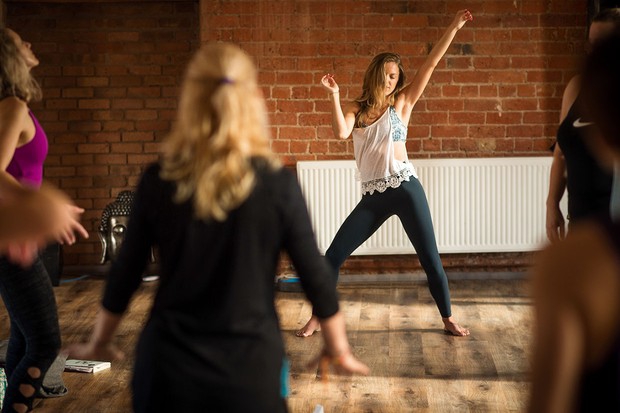
This meditation involves taking alone walks through the woods, garden, block or any other form of gentle movement like dancing, skipping, swinging, etc. This is good for people who are able to find peace in performing an activity and allow their mind to wonder.
The biggest part of this sort of meditation is mindfulness which has to do with being present at particular time in something and bringing your entire focus to it. This is what makes it different from every other movement. This helps to calm your mind.
THE PROCESS
To gain the benefits of meditation, you have to find a quiet place, sit down or lie down quietly for about 20minutes everyday. This time is not a constant but can be increased once you start being comfortable with the practice.
Avoid any form of distraction at this time in order to reap the full benefits of meditation. This therefore brings us to the best time for meditation. In a survey which i conducted on Facebook on the best time suited for meditation. About 65% of the participants were of the opinion that morning meditation is the best while the remaining 35% preferred the evening meditation.
For me, after taking time to learn about the different types of meditation and the benefits of each, both times are great for this practice. However, I would do the spiritual meditation in the morning because I need to have an insight into my day and also be directed on how to go and then another visualization meditation at night, some of the others can come in during the day to keep me going though😉. I mean we all need to be relaxed and calm to have a good night rest.

What technique are you considering to kick off with?
Please leave your comments in the comment section 👇
Comments
Post a Comment